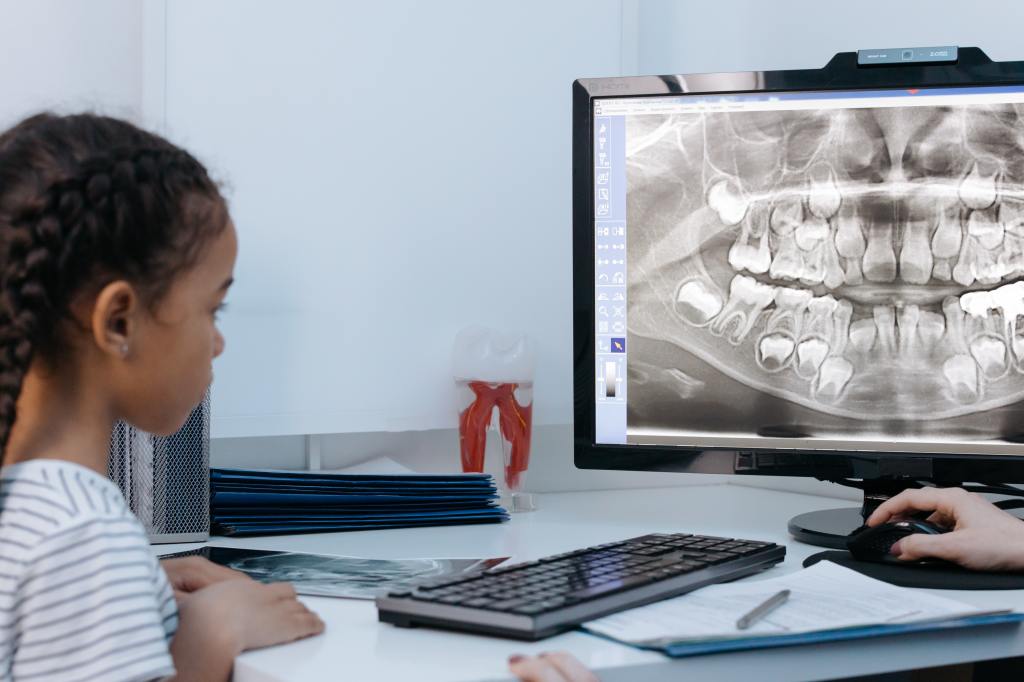
There are several common myths and misconceptions about dental X-rays. Here are a few of the major ones and how they may have originated:
- Myth: Dental X-rays are always dangerous and can cause cancer.
- Reality: Dental X-rays use a very low level of radiation and are generally considered safe when proper precautions are taken. The risk of cancer from dental X-rays is extremely low.
- Myth: You should avoid dental X-rays unless absolutely necessary.
- Reality: Dental X-rays are an important tool for diagnosing and treating dental problems, and the benefits often outweigh the risks. Dentists use X-rays to identify cavities, bone loss, and other issues that may not be visible during a visual exam.
- Myth: You can get too many dental X-rays, which can cause harm.
- Reality: The frequency of dental X-rays is typically limited to what is necessary for diagnosis and treatment, and dentists follow guidelines set by the American Dental Association. The risk of harm from dental X-rays is extremely low, even with repeated exposure.
- Myth: Digital dental X-rays are safer than traditional film X-rays.
- Reality: Both digital and film X-rays use a low level of radiation, and both are considered safe when proper precautions are taken. However, digital X-rays require less radiation exposure than traditional film X-rays, making them a safer option.
These myths may have originated from a general fear of radiation exposure, as well as a lack of understanding about the safety and benefits of dental X-rays. As there have been no documented cases of cancer specifically caused by dental X-rays. The radiation exposure from dental X-rays is very low, and the risk of cancer from this type of imaging is extremely low. You may ask how low, well here are some useful informations to consider;
- Dental X-rays: A single dental X-ray image typically exposes a patient to between 0.005 and 0.01 millisieverts (mSv) of radiation, which is a very low level of radiation.
- Natural background radiation: The average person in the United States is exposed to about 3 mSv of natural background radiation per year from sources such as cosmic radiation and radon gas in the air.
- Air travel: A single cross-country airplane flight can expose a person to 0.03 mSv of radiation from cosmic radiation at high altitudes.
However, it’s important to note that radiation exposure from all sources, including medical imaging tests such as CT scans, can increase a person’s overall risk of cancer over time. This risk is cumulative and may be higher for individuals who have had multiple imaging tests over their lifetime. That being said, the risk of cancer from dental X-rays is still considered very low, and the benefits of these imaging tests in diagnosing and treating dental problems often outweigh the risks.
 Dr. Mustafa Alani