Your are Flossing too Hard
When you floss hard the thread is “snapped” into place, this occurs when too much force is applied to the gums while attempting to get the floss through the contact point between the teeth. Yanking and pulling, trying to get the floss to slide between the teeth at the right angle while your hands are too far apart results in too much force applied causing the floss to Snap into the gums when the angle is finally reached. When the gums get traumatized they get inflamed and bleed which may lead to further discomfort and possible infection! Flossing properly should not harm your gums and aids in keeping them clean. However, snapping your floss – or flossing too hard – hurts your gums, and doing so repeatedly can cause damage.
Never try to push your floss into place. Instead, find the right angle for it to slide between your teeth slowly and carefully. If you haven’t been flossing regularly, your gums may bleed a little while flossing, and it may be uncomfortable for a few days. Flossing healthy gums in the proper manner should never hurt. It’s a sign you’re flossing too hard if you’re in pain while doing so. Similarly, don’t use your floss to “saw” away at your gums. It’s better to floss gently, even if it “feels” wrong, than to hurt your gums.
You are Not Taking Your Time
People over-floss for a variety of reasons, the most frequent of which is a desire to expedite the process. They desire to complete as soon as possible rather than working slowly and regularly. Unfortunately, those who speed through flossing perform a poor job and frequently injure their gums. Most speed flossers miss the plaque between their teeth and instead strike their gums too forcefully. Fast flossing on a regular basis might cause irreversible gum recession.
One of the most prevalent myths about flossing is that you have to “feel” it. People believe that if flossing doesn’t hurt, they aren’t flossing properly. Flossing should never be painful if you have healthy gums.Take your time flossing and carefully move the floss into position. Slowly and deliberately move it back and forth. Never try to push it into place or saw it so hard that it hurts. Taking your time will not only make flossing more pleasant, but it will also enhance the efficacy of flossing.
You are Forgetting Your Gums
Although the previous two paragraphs cautioned against flossing your gums too vigorously, it doesn’t imply you shouldn’t floss at all. One of the most essential tasks of flossing is to remove plaque from beneath the gum line. Floss can reach regions where your toothbrush can’t, such as the sides of your teeth and right below the gum line. Untreated plaque behind the gum line can solidify into calculus, causing irritation and illness.
Move the floss lower until it hits your gums after softly rubbing it between two teeth. Wrap the floss in a “C” shape around the side of your tooth and slide it up and down, including below the gum line.The motion should be felt on your gums, but it should not be unpleasant. It’s possible that your gums will bleed a bit now, especially if you haven’t flossed in a while. Remember not to yank on the floss, force it, or move it too rapidly. Do not attempt to floss more than one gap between your teeth at a time.
Final Thoughts
You do not need to stick to a conventional floss threads to floss, a lot of people find themselves not liking to floss because they did not like the sting floss.If you find yourself in that camp Do not feel bad, a larger number of persons than you may think String floss is something to despise. We can’t say we blame you. People’s biggest issue with string floss appears to be that they never feel like they’re using it appropriately. String floss never seems to perform as excellent a job as they believe it should, no matter how they use it. Some people even push string floss too forcefully into their gums, which is never a good idea.

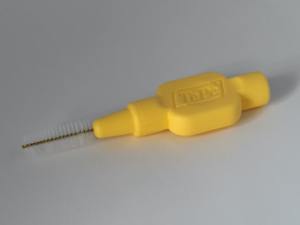
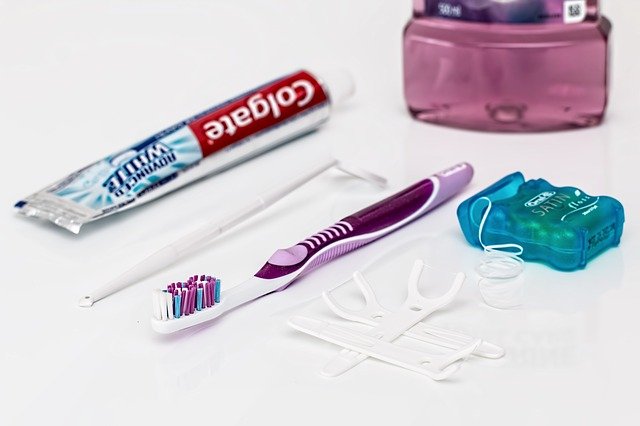
There are numerous viable alternatives to string floss if you simply despise it. Floss picks are single-use, disposable plastic devices with two prongs on one end and a pick shape on the other that hold a piece of pre-threaded floss between two prongs. Some are flat, while others are Y-shaped, but they all get the job done. There are a variety of electronic flossers available that function in different ways. These gadgets, rather than flossing, spray water or pressured air into the spaces between teeth. These two options are only the tip of the iceberg. There are a variety of flossing tools and implements available. Don’t quit up flossing simply because string floss isn’t working for you!
 Dr. Mustafa Alani